Where Are the Best Areas to Build a Custom Home Around San Antonio?
October 18, 2026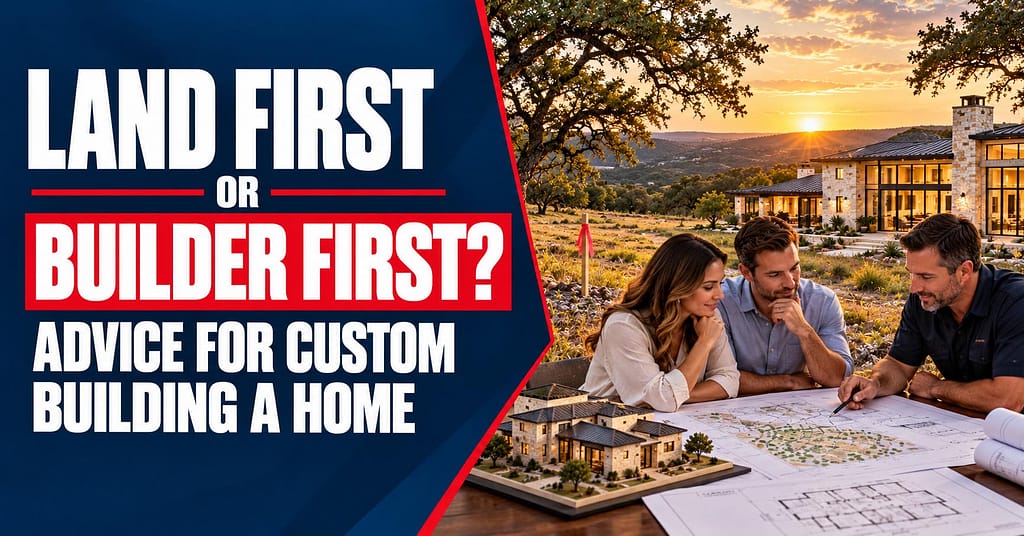
One decision shapes nearly everything that follows when you are custom building a home: the order in which you commit to a piece of land and to a builder. Buyers tend to fall into two camps. Some spend months hunting acreage and only start calling builders after the deed is recorded. Others interview builders first and let that relationship guide the land search. Both paths can produce a home you love, but each protects you from different problems and exposes you to different ones.
There is no single correct order. What matters is understanding what each approach buys you, what it can cost you, and which conversations to have before you sign anything binding.
Why the Order of Decisions Matters More Than Most Buyers Expect
Land and construction are not separate purchases that happen to sit next to each other. They are locked together. The soil, slope, access, utility connections, and recorded restrictions on a lot determine what can be built there, what it will cost, and how long it takes. A plan that fits beautifully on one property may need serious revision on another.
That is why custom building is different from buying a production home. A custom home is one where the owner genuinely takes part in the design, and the house is built specifically around that household’s needs rather than pulled from a fixed catalog. Custom construction is commonly quoted in the range of $200 to $400 per square foot, and that figure generally excludes the land itself. When land and building budgets are set independently, one frequently eats the other.
The Case for Finding Your Land First When Custom Building a Home
Buying land first is the more traditional route, and it appeals to people who have a specific area in mind or who plan to hold the property for years before building.
What Land-First Gets Right
- You know the exact site before design begins, so decisions about orientation, views, driveway placement, and outdoor living are grounded in reality.
- You control the purchase on your own timeline and can walk away from a lot without disrupting a builder relationship.
- You can hold the land as an asset and build when your finances and schedule allow.
- You avoid the pressure of feeling rushed into a lot because a builder’s calendar is filling up.
Where Land-First Goes Wrong
The most common failure is buying a lot that cannot carry the home you actually want. A property may be priced attractively because it needs significant site work before a foundation can go in. Access roads, utility runs, drainage, clearing, and septic coordination all affect the buildable envelope, and none of them show up in the listing photos.
A second risk is budget drift. If the land purchase consumes more of your total number than planned, the construction budget shrinks and the design has to be scaled back. Owners sometimes discover this only after they have already committed to the property and paid for architectural work.
A third risk is timing. Land purchased years before construction may have been evaluated against assumptions that no longer hold by the time you are ready to build.
The Case for Choosing Your Builder First
Builder-first is the approach many experienced custom buyers prefer, particularly on build-on-your-lot projects where the builder has walked dozens of local properties.
What Builder-First Gets Right
- A good builder can flag problem lots before you are emotionally invested, based on patterns they have seen repeatedly in the local market.
- Design and site work are planned together, which reduces the chance of expensive redesign later.
- You learn what your budget realistically delivers in construction before land costs are locked in.
- Your builder’s site evaluation, utility coordination, and drainage knowledge inform the purchase decision rather than arriving after it.
Where Builder-First Goes Wrong
The main risk is losing objectivity. Once you have clicked with a builder, it is easy to accept the lots they suggest or to skip comparing options. Builder-first only works when you still shop the land independently and verify what you are told.
There is also a scheduling risk. If you commit to a builder before you have identified land, and the land search drags on, your build slot may shift. Ask early how the builder’s calendar is managed when land acquisition takes longer than expected.
A Practical Middle Path: Shortlist the Builder, Then Shop the Land
For most buyers, the strongest approach sits between the two extremes. Interview and shortlist builders first, understand their process and pricing structure, then shop land with that knowledge in hand, and only sign a construction agreement once the property has been evaluated.
This sequence gives you the informational advantage of builder-first without surrendering the land decision. You get a professional read on candidate lots before committing to any of them, and you keep the freedom to change direction if the right property does not appear.
| Consideration | Land First | Builder First |
|---|---|---|
| Site knowledge at design time | High, since the lot is owned | Depends on how early the builder is involved |
| Risk of buying an unbuildable lot | Higher without professional review | Lower if the builder evaluates before purchase |
| Budget clarity | Split decisions, possible drift | Construction costs understood earlier |
| Flexibility to walk away | Full control during the land search | Requires managing the builder relationship |
| Best suited to | Buyers who already own land or have a specific property in mind | Buyers starting from scratch who want guidance |

Questions to Ask Before You Commit to Either
Whichever order you choose, a set of direct questions will keep you from learning expensive lessons later.
- Has anyone walked this specific lot and evaluated access, drainage, and utility connections?
- What site work will be required before construction, and is it inside or outside the quoted build cost?
- Are there recorded restrictions or easements that limit what can be built here?
- What does the total project look like if construction runs at the upper end of the per-square-foot range?
- How is the builder’s schedule handled if land acquisition takes longer than planned?
- What is included in the builder’s base agreement, and what is billed separately?
Write the answers down. A builder who is comfortable putting site observations and cost assumptions in writing is generally a safer partner than one who prefers to keep things conversational.
How Build-on-Your-Lot Services Change the Conversation
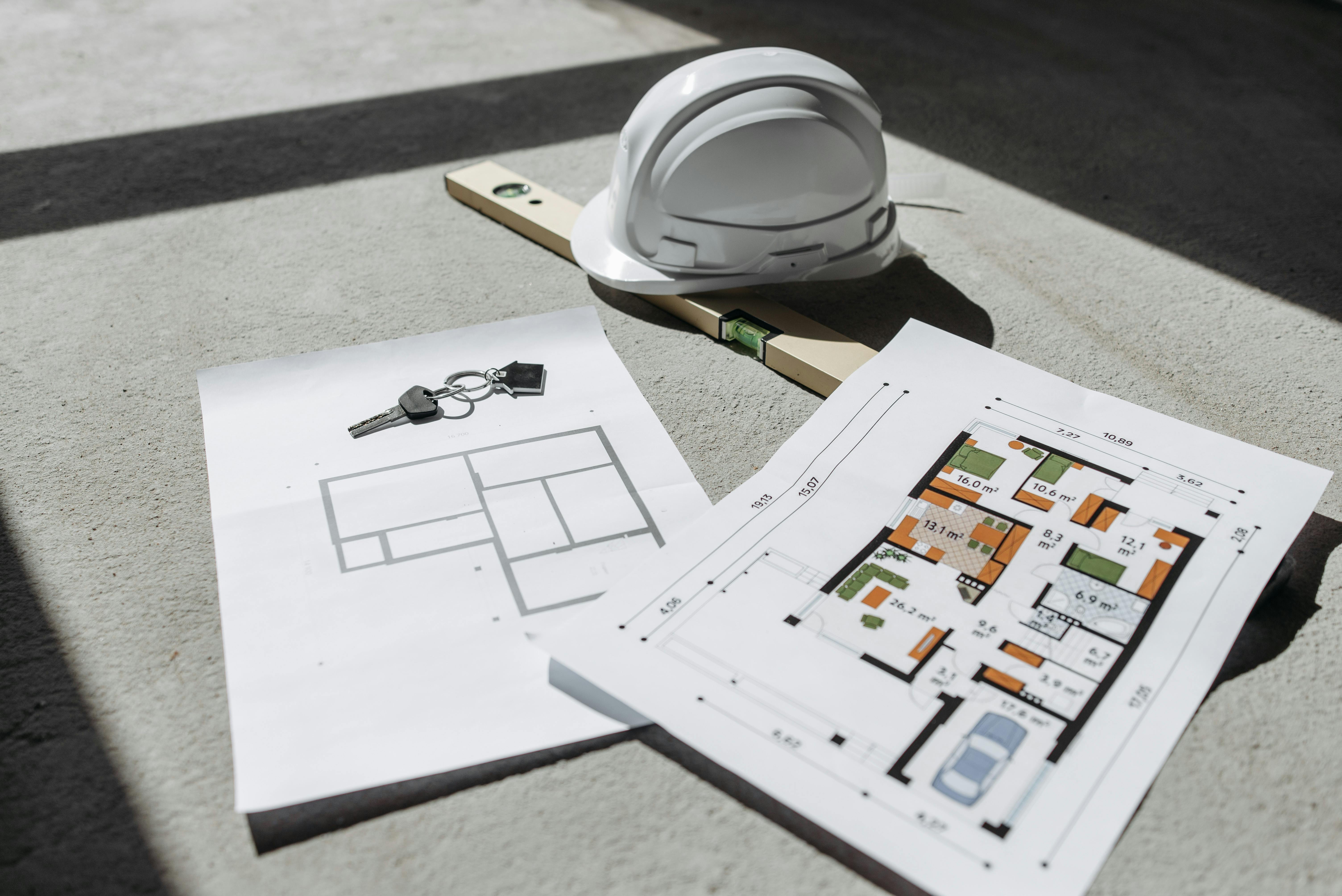
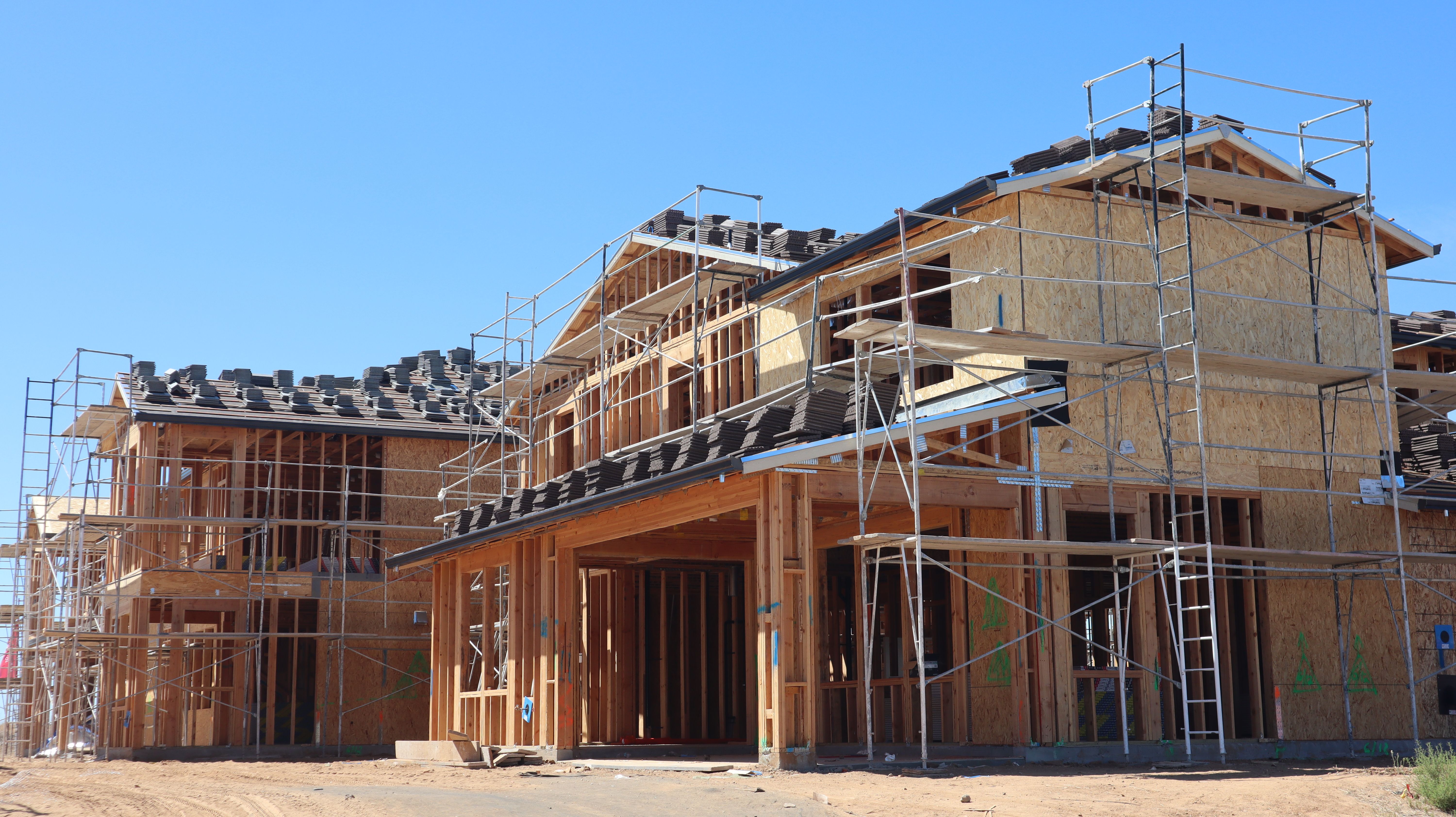
Build-on-your-lot arrangements exist specifically to bridge the gap between land ownership and construction. In a well-run version of this model, the builder evaluates the site before construction begins, coordinates utilities, addresses drainage, and manages septic planning where it applies. That work happens before the first delivery truck arrives, not after.
Locally owned builders who have worked the same region for years bring pattern recognition that is hard to replicate. ABM Custom Homes has served San Antonio and South Texas since 2006, handling custom home construction and build-on-your-lot projects alongside custom pools and outdoor living. Their process includes site evaluation, utility and drainage coordination, complimentary blueprints, and financing assistance, which means land and building decisions can be weighed together rather than in isolation.
The practical takeaway is to treat the builder conversation as part of the land search, not a step that follows it. Even if you are determined to buy land first, an hour with a builder before you make an offer is inexpensive insurance against a property that cannot carry your plan.
Frequently Asked Questions
Should I buy land before talking to a builder?
You can, but it is wiser to speak with a builder first. A short conversation before you make an offer gives you a professional read on access, drainage, utilities, and site work costs. That review often changes which lot a buyer chooses, and it can prevent an expensive mistake on a property that looks ideal in photographs.
How much does custom building a home cost per square foot?
Custom construction is commonly quoted in the range of $200 to $400 per square foot, and that figure typically excludes the land. Actual costs vary with design complexity, site conditions, finishes, and local labor. Ask your builder for a written breakdown of what the range includes so you can compare proposals on equal terms.
What should I check on a lot before committing?
Look at access, slope, drainage patterns, utility availability, and any recorded restrictions or easements. Ask whether septic coordination will be required and what site work precedes the foundation. Have the builder walk the property with you and put observations in writing before you sign a purchase contract or release contingencies.
Can I change builders after I buy land?
Usually yes, since land ownership and the construction agreement are separate. That flexibility is one argument for buying land first. Review any agreement you have already signed for cancellation terms, and confirm that design work completed by one builder can be transferred or reused by another before you change direction.
Does the order matter if I already own land?
If you already hold the property, the decision is settled and the priority shifts to site evaluation before design begins. Have the builder assess the lot, confirm utility and drainage conditions, and align the plan with what the site can realistically support. Starting design before that review is where budgets commonly slip.
Whichever path you take, keep the two decisions connected. Shortlist your builder early enough to benefit from their site knowledge, shop land with a realistic construction budget in hand, and get the property evaluated in writing before you commit. That sequence costs you very little and protects the largest purchase most families ever make.