5 Questions to Ask Your Prospective Custom Home Builder
July 24, 2018
How Much Does It Cost to Build a Custom Home in San Antonio in 2026?
July 1, 2026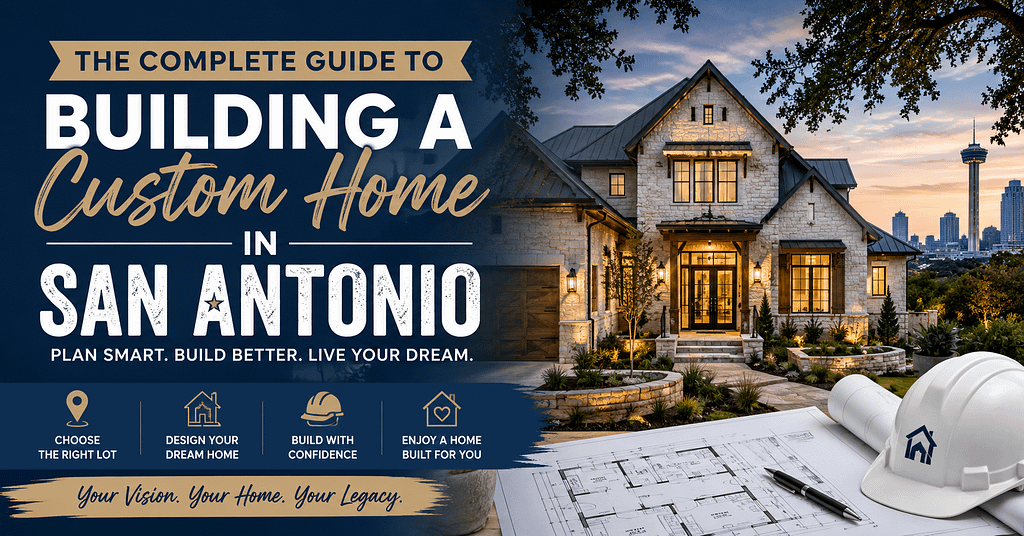
The Complete Guide to Building a Custom Home in San Antonio
Building a home from the ground up is one of the most exciting investments a person can make. The Complete Guide to Building a Custom Home in San Antonio is designed to help future homeowners navigate every stage of the process, from selecting land to moving into a dream home tailored to their lifestyle.
San Antonio continues to attract families, professionals, retirees, and investors due to its strong economy, affordable living costs, rich cultural heritage, and growing real estate market. With careful planning and the right team, building a custom home can be a rewarding experience that provides lasting value for generations.
Why San Antonio Is a Great Place to Build a Custom Home
San Antonio has become one of Texas’s fastest-growing metropolitan areas. The city offers a unique combination of modern amenities, historical charm, and abundant opportunities.
Economic Growth and Housing Demand
The city’s economy is supported by industries such as:
- Healthcare
- Military and defense
- Technology
- Tourism
- Manufacturing
Strong job growth has fueled demand for quality housing, making custom homes an attractive investment.
Lifestyle and Community Benefits
Residents enjoy:
- Excellent schools
- Family-friendly neighborhoods
- Outdoor recreation
- Diverse dining options
- Cultural attractions
- Warm climate
These advantages make San Antonio an ideal location for building a personalized home.
Understanding the Custom Home Building Process
Before breaking ground, it’s important to understand how custom home construction differs from traditional home buying.
What Makes a Home Truly Custom
A custom home is designed specifically for the homeowner’s needs, preferences, and lifestyle. Unlike production homes, every detail can be tailored, including:
- Floor plans
- Exterior design
- Room sizes
- Building materials
- Smart technology
- Landscaping
The homeowner has significant control throughout the design and construction process.
Production Homes vs. Custom Homes
| Feature | Production Home | Custom Home |
|---|---|---|
| Design Flexibility | Limited | Extensive |
| Lot Selection | Builder-selected | Owner-selected |
| Personalization | Basic | Complete |
| Cost Control | Predictable | Variable |
| Uniqueness | Standardized | One-of-a-kind |
Custom homes offer greater flexibility but require more planning and decision-making.
Defining Your Vision and Goals
Successful projects begin with a clear vision.
Determining Family Needs
Ask yourself:
- How many bedrooms are needed?
- Will elderly family members live with you?
- Do you work remotely?
- Do you entertain frequently?
- Are children part of your future plans?
Your answers should guide the overall design.
Future-Proofing Your Home
Consider features that support long-term living:
- Wider hallways
- Single-story layouts
- Flexible rooms
- Energy-efficient systems
- Aging-in-place design elements
Planning for future needs can save significant remodeling costs later.
Establishing a Realistic Budget
One of the most important sections of The Complete Guide to Building a Custom Home in San Antonio involves understanding costs.
Construction Costs
Custom home prices vary depending on:
- Lot location
- Design complexity
- Material quality
- Labor availability
- Square footage
Luxury finishes and specialized features can substantially increase overall expenses.
Hidden Expenses to Consider
Many homeowners underestimate:
- Permit fees
- Utility connections
- Landscaping
- Driveways
- Retaining walls
- Survey costs
- Temporary housing
Setting aside a contingency fund of 10–20% is often recommended.
Choosing the Perfect Lot
The land you choose directly impacts your home’s value and functionality.
Location Considerations
Evaluate factors such as:
- School districts
- Commute times
- Nearby amenities
- Future development plans
- Flood zones
- Property taxes
The right location can significantly influence long-term satisfaction.
Site Evaluation and Preparation
Professional evaluations should assess:
- Soil conditions
- Drainage
- Utilities
- Elevation
- Environmental concerns
These factors affect both construction costs and structural integrity.
Hiring the Right Custom Home Builder
Choosing a builder is one of the most important decisions you’ll make.
Qualifications and Credentials
Look for builders who have:
- Proper licensing
- Insurance coverage
- Strong portfolios
- Positive client reviews
- Local experience
Experienced builders understand local regulations and construction challenges.
Questions to Ask Before Hiring
Important questions include:
- How many custom homes have you completed?
- What is your typical timeline?
- How do you handle change orders?
- What warranties do you provide?
- Can I speak with past clients?
The answers will help determine whether the builder is a good fit.
Working with Architects and Designers
A skilled architect transforms ideas into functional living spaces.
Creating a Functional Floor Plan
Successful floor plans balance:
- Aesthetics
- Functionality
- Traffic flow
- Privacy
- Natural lighting
Each room should serve a specific purpose while contributing to overall comfort.
Incorporating Energy Efficiency
Modern designs often include:
- High-performance insulation
- Energy-efficient windows
- LED lighting
- Smart thermostats
- Solar-ready roofing
These features reduce operating costs over time.
Understanding San Antonio Building Regulations
Building codes help ensure safety and compliance.
Permits and Inspections
Most custom homes require inspections during:
- Foundation work
- Framing
- Electrical installation
- Plumbing installation
- Final construction
Permits must be obtained before work begins.
Zoning and HOA Requirements
Certain neighborhoods may impose restrictions on:
- Home size
- Exterior appearance
- Fencing
- Landscaping
- Building setbacks
Always review these regulations before purchasing land.
Selecting Construction Materials
Material choices influence appearance, durability, and maintenance requirements.
Exterior Materials
Popular choices include:
- Brick
- Stone
- Stucco
- Fiber cement siding
Each option offers different benefits in terms of durability and aesthetics.
Interior Finishes
Common upgrades include:
- Hardwood flooring
- Quartz countertops
- Custom cabinetry
- Designer lighting
- Luxury tile
Quality finishes can significantly enhance resale value.
The Construction Timeline
Understanding the timeline helps set realistic expectations.
Pre-Construction Phase
This phase typically includes:
- Land acquisition
- Surveying
- Design development
- Budget planning
- Permit approvals
Delays often occur during permitting and design revisions.
Construction and Final Walkthrough
Construction generally follows these stages:
- Site preparation
- Foundation
- Framing
- Roofing
- Mechanical systems
- Interior finishes
- Landscaping
- Final inspection
A comprehensive walkthrough ensures all work meets expectations before closing.
Smart Home Technology Integration
Technology is increasingly becoming a standard feature in modern custom homes.
Security Systems
Popular security upgrades include:
- Video doorbells
- Smart locks
- Motion detectors
- Surveillance cameras
These features improve safety and convenience.
Home Automation Features
Homeowners often install:
- Voice-controlled systems
- Automated lighting
- Smart appliances
- Integrated entertainment systems
These technologies create a more connected living experience.
Sustainable and Energy-Efficient Building Practices
Sustainability continues to be a major priority for homeowners.
Benefits include:
- Lower utility bills
- Improved indoor air quality
- Reduced environmental impact
- Higher property value
Popular green building practices include:
- Solar panels
- Energy-efficient HVAC systems
- Water-saving fixtures
- Sustainable building materials
- Enhanced insulation systems
Investing in efficiency often pays long-term dividends.
Common Challenges and How to Avoid Them
Even well-planned projects encounter obstacles.
Common issues include:
| Challenge | Solution |
|---|---|
| Budget Overruns | Maintain contingency funds |
| Material Delays | Order early |
| Design Changes | Finalize plans before construction |
| Weather Delays | Build schedule flexibility |
| Communication Problems | Regular project meetings |
Proactive planning minimizes disruptions and keeps projects on track.
Financing Options for Custom Homes
Financing a custom build differs from purchasing an existing property.
Common options include:
Construction Loans
These short-term loans fund the building process and are converted into permanent mortgages upon completion.
Construction-to-Permanent Loans
These combine construction financing and mortgage financing into one streamlined loan.
Owner Financing
In some situations, landowners may offer financing arrangements for lot purchases.
Consulting a mortgage professional can help identify the best financing strategy.
Frequently Asked Questions
1. How long does it take to build a custom home in San Antonio?
Most projects take between 8 and 18 months depending on complexity, permitting, weather conditions, and material availability.
2. Is building a custom home more expensive than buying an existing home?
Generally, custom homes cost more upfront but provide personalized features and potentially lower maintenance expenses.
3. What is the first step in building a custom home?
The first step is defining your goals, budget, and desired location.
4. How much contingency money should I reserve?
Many experts recommend reserving 10–20% of the project budget for unexpected expenses.
5. Can I make changes during construction?
Yes, but changes often increase costs and may extend the timeline.
6. What energy-efficient upgrades provide the best return?
High-performance insulation, efficient HVAC systems, smart thermostats, and energy-efficient windows often deliver strong long-term savings.
7. Do I need an architect for a custom home?
Most custom projects benefit significantly from professional architectural design to maximize functionality, aesthetics, and compliance.
Conclusion
The Complete Guide to Building a Custom Home in San Antonio demonstrates that creating a dream home requires thoughtful planning, careful budgeting, and collaboration with experienced professionals. From selecting the perfect lot and designing a functional floor plan to navigating permits and choosing high-quality materials, every decision contributes to the success of the project.
San Antonio’s growing economy, vibrant communities, and diverse housing opportunities make it an exceptional place to build a custom residence tailored to your unique lifestyle. By understanding the process and preparing for potential challenges, homeowners can enjoy a smoother construction journey and ultimately move into a home designed specifically for their needs.
For additional homebuilding resources and industry best practices, visit the National Association of Home Builders.